
Never Forgotten
On grief, photography and the images we need to make

Substack tells me that if you read this in your email you may not be able to see all of it. To read it all, click on the browser link at the top of the email or go to the post on my Substack publication.
Last week I was prompted to reflect on the reason why I make certain types of images. Trees, landscapes, sacred sites – I understand my desire to photograph these subjects, the strong need I have to connect with mother nature or life’s mysteries, to just be and to share the beauty that I see. I feel each place, its spirit, deeply.
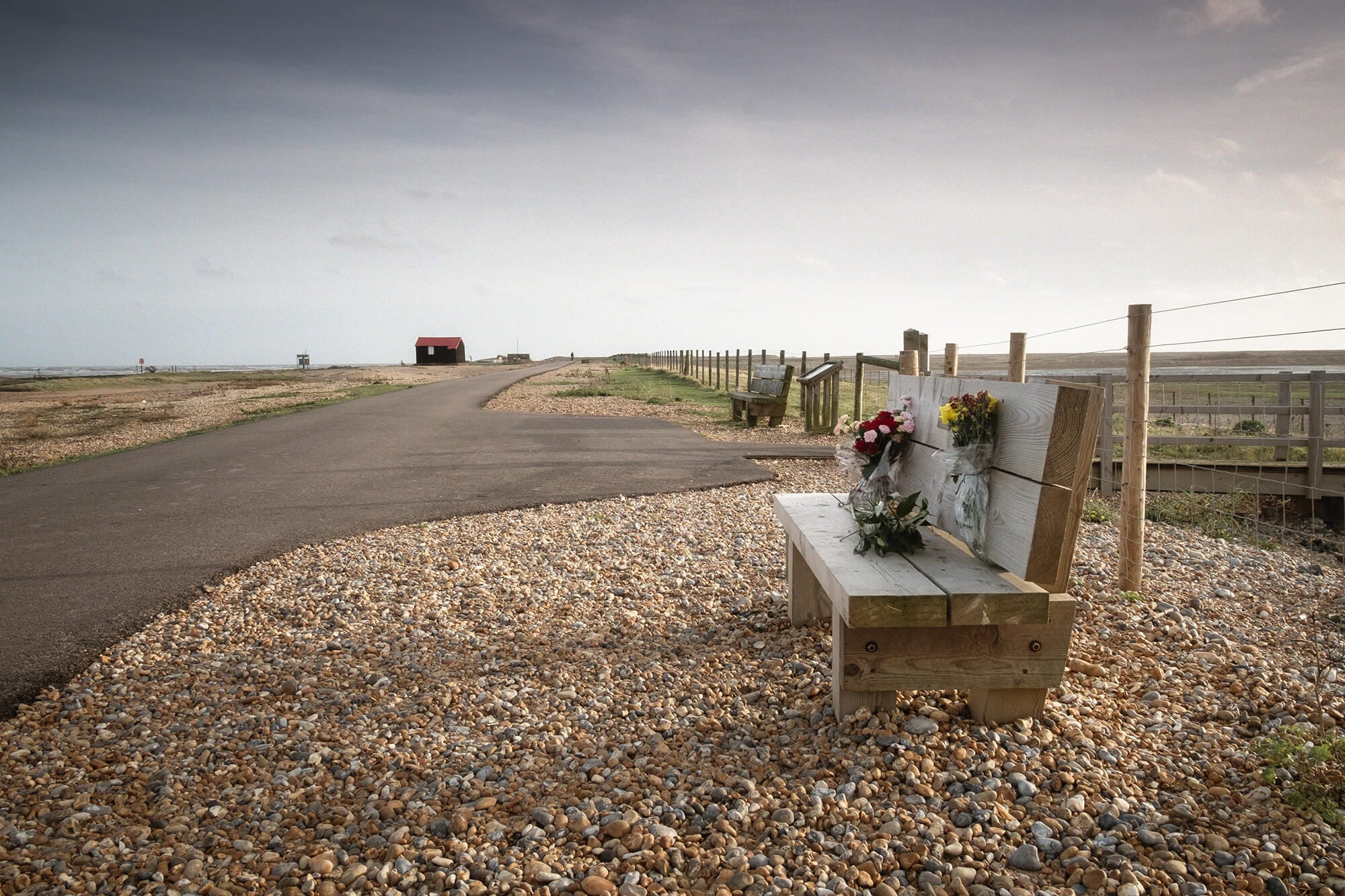
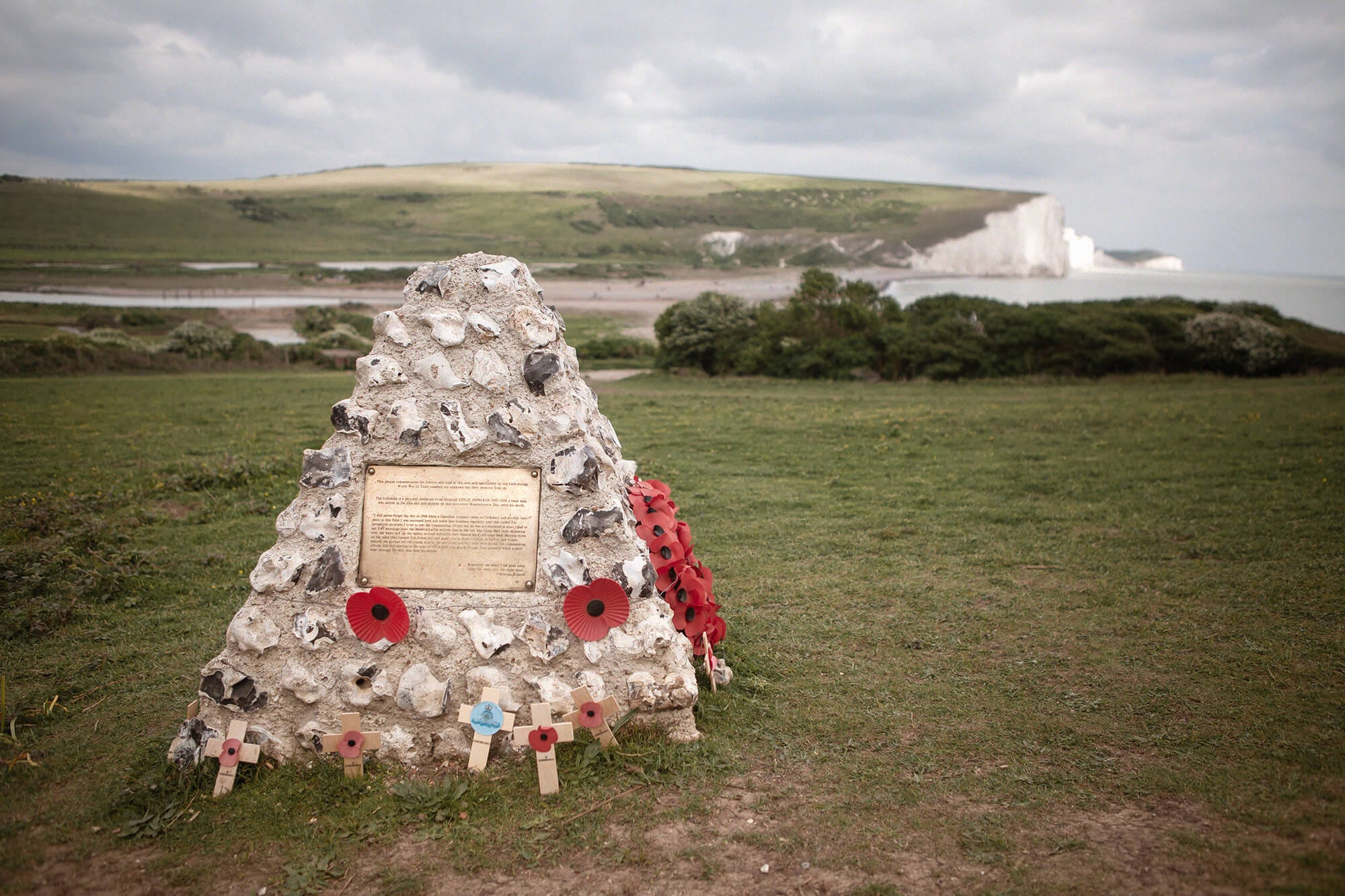
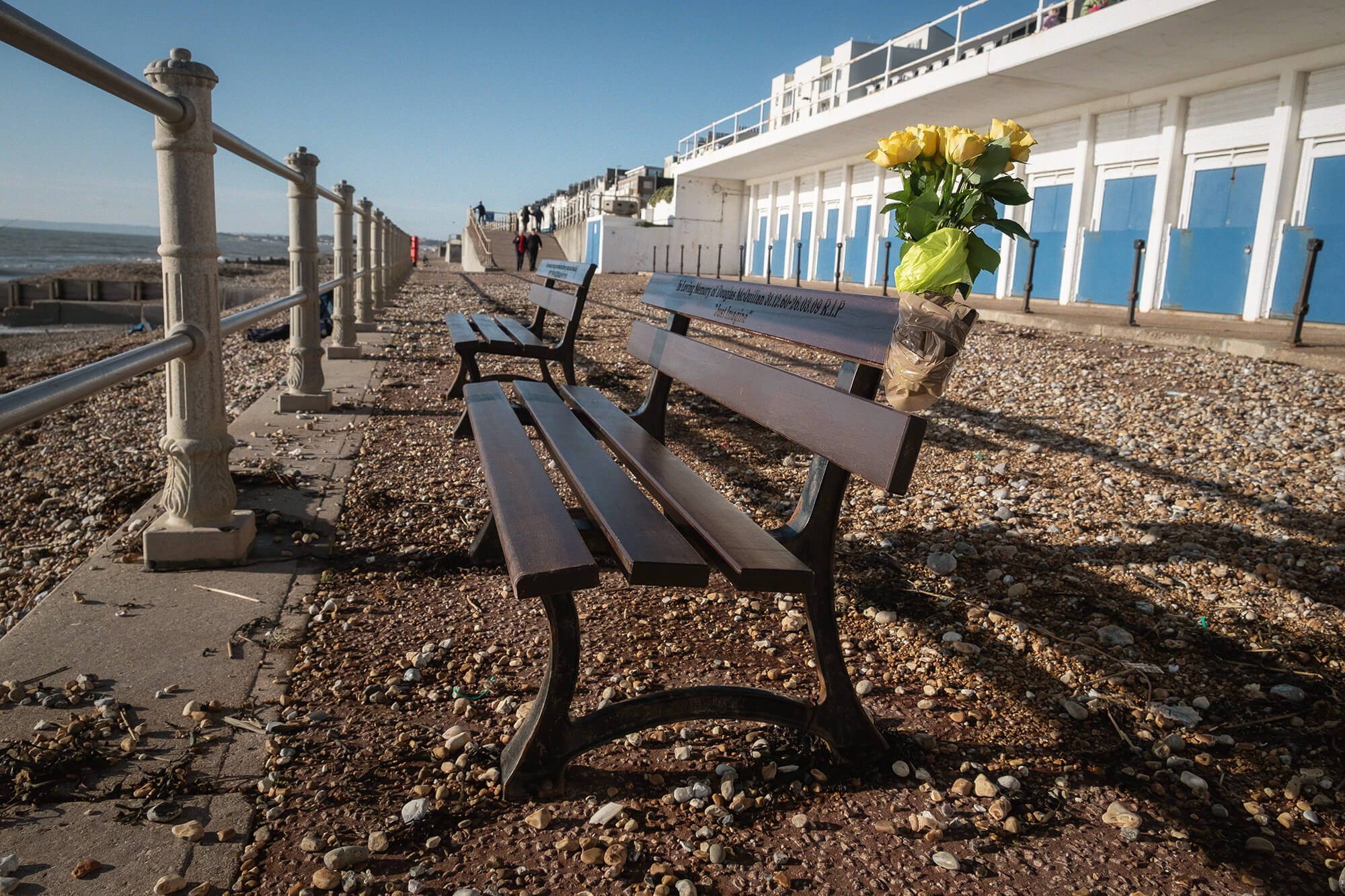
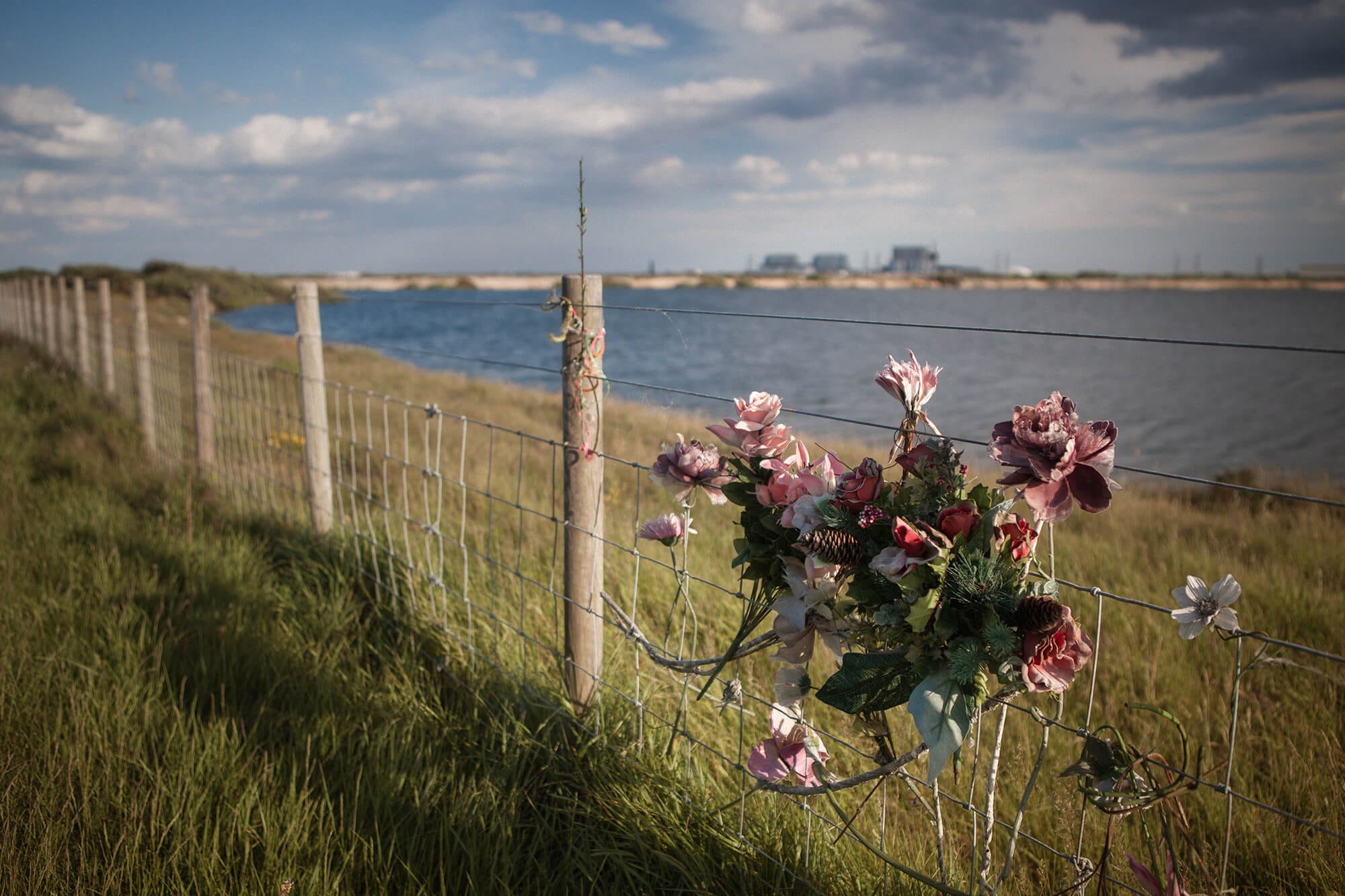
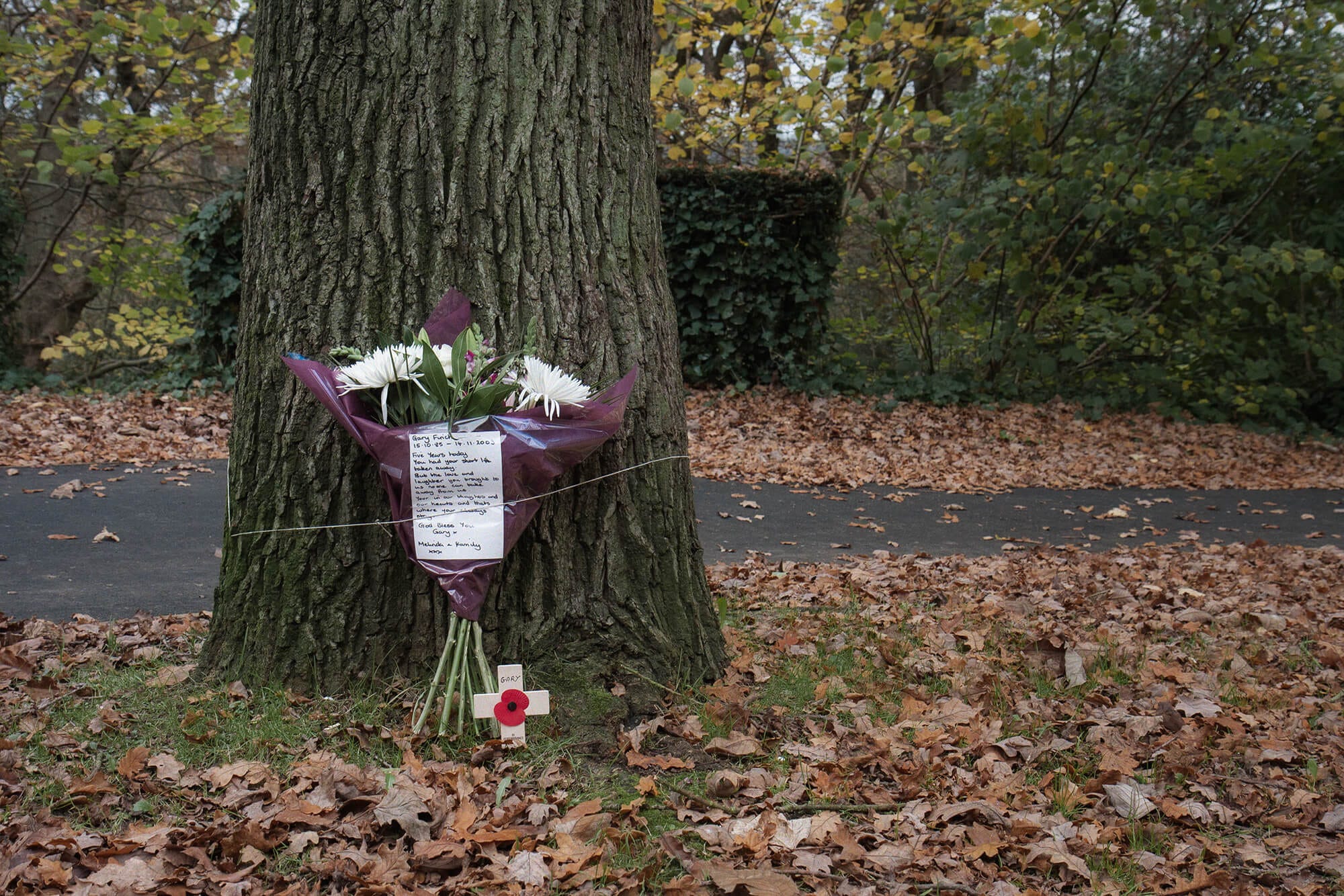
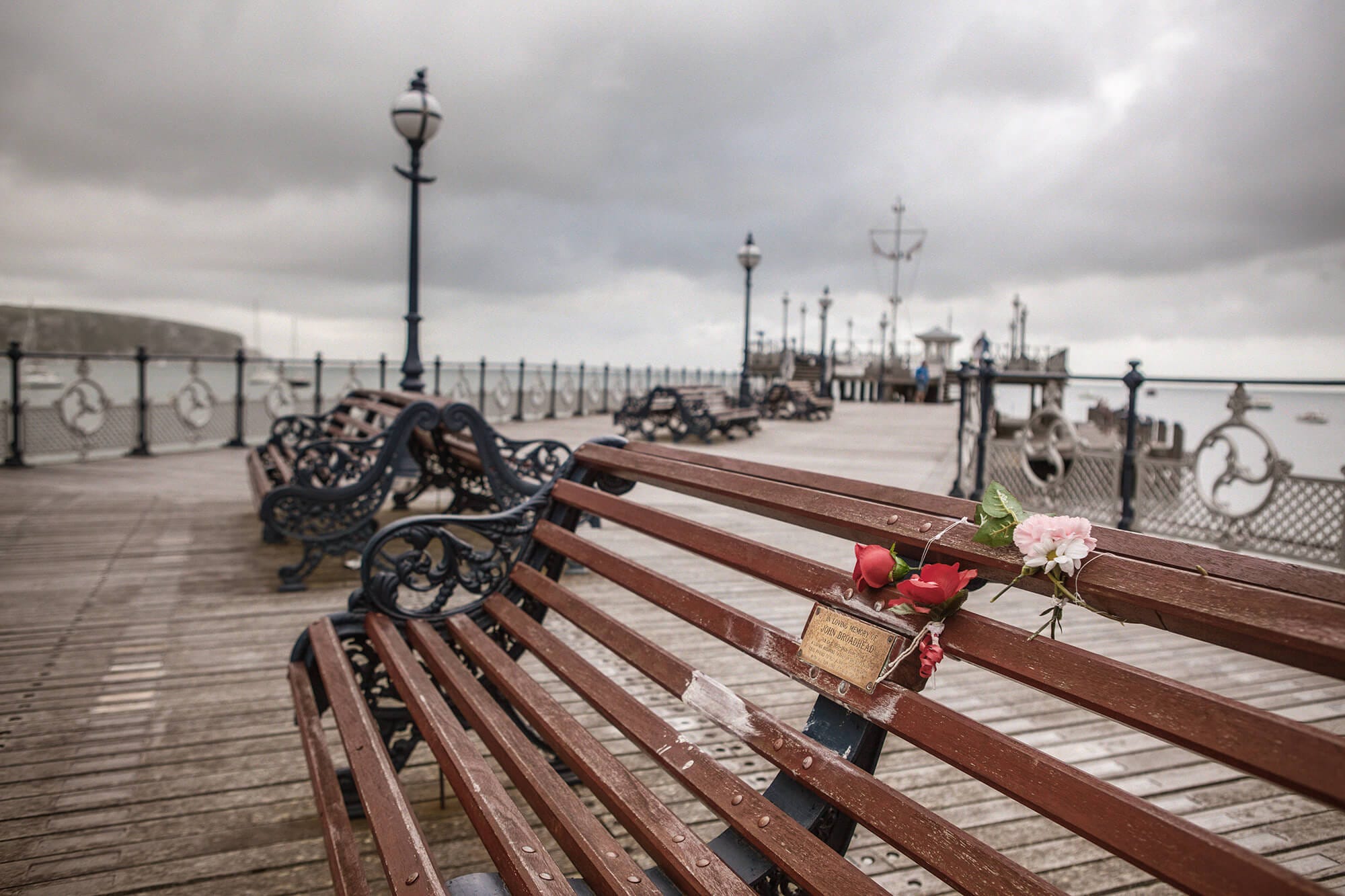
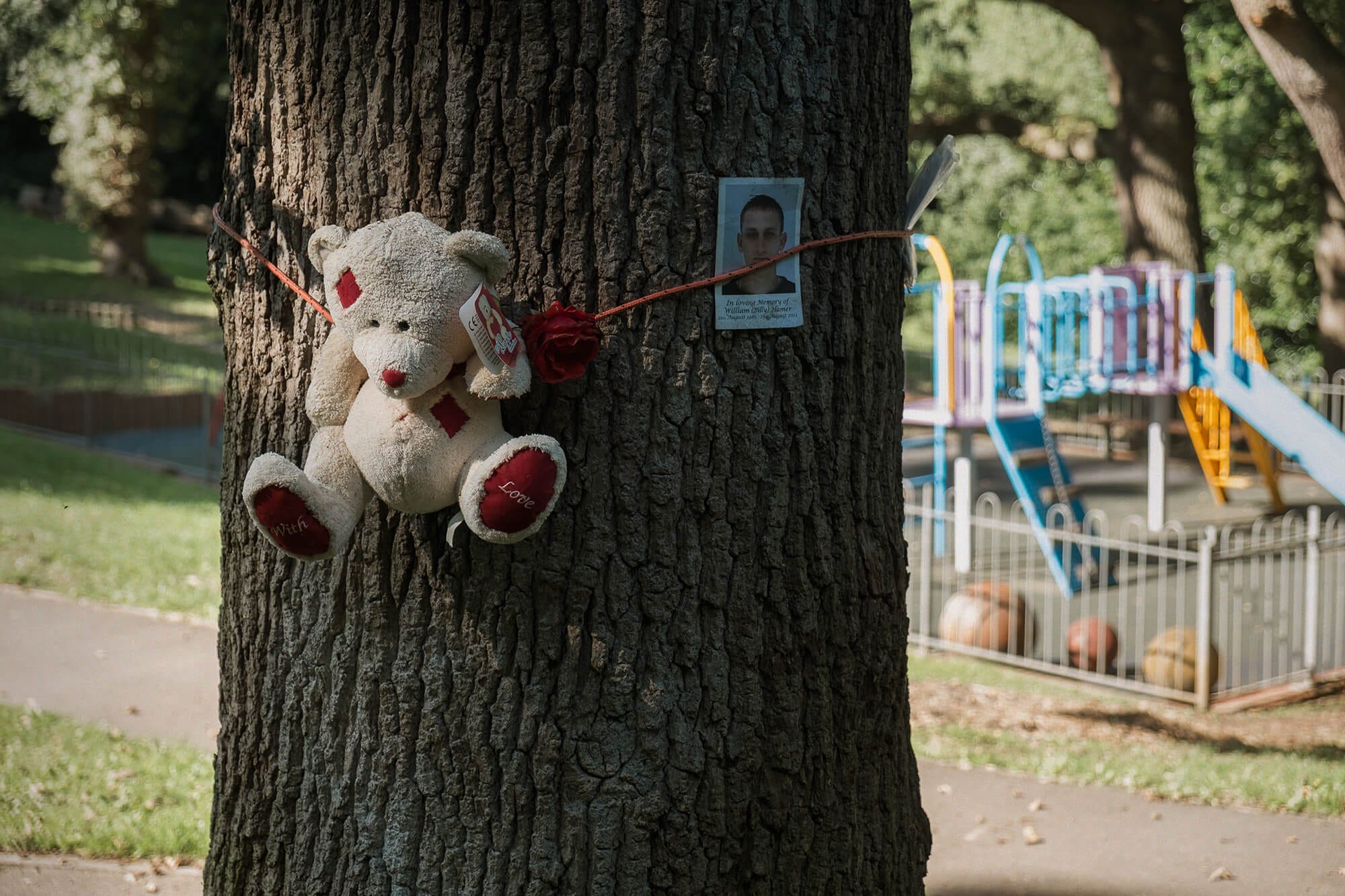
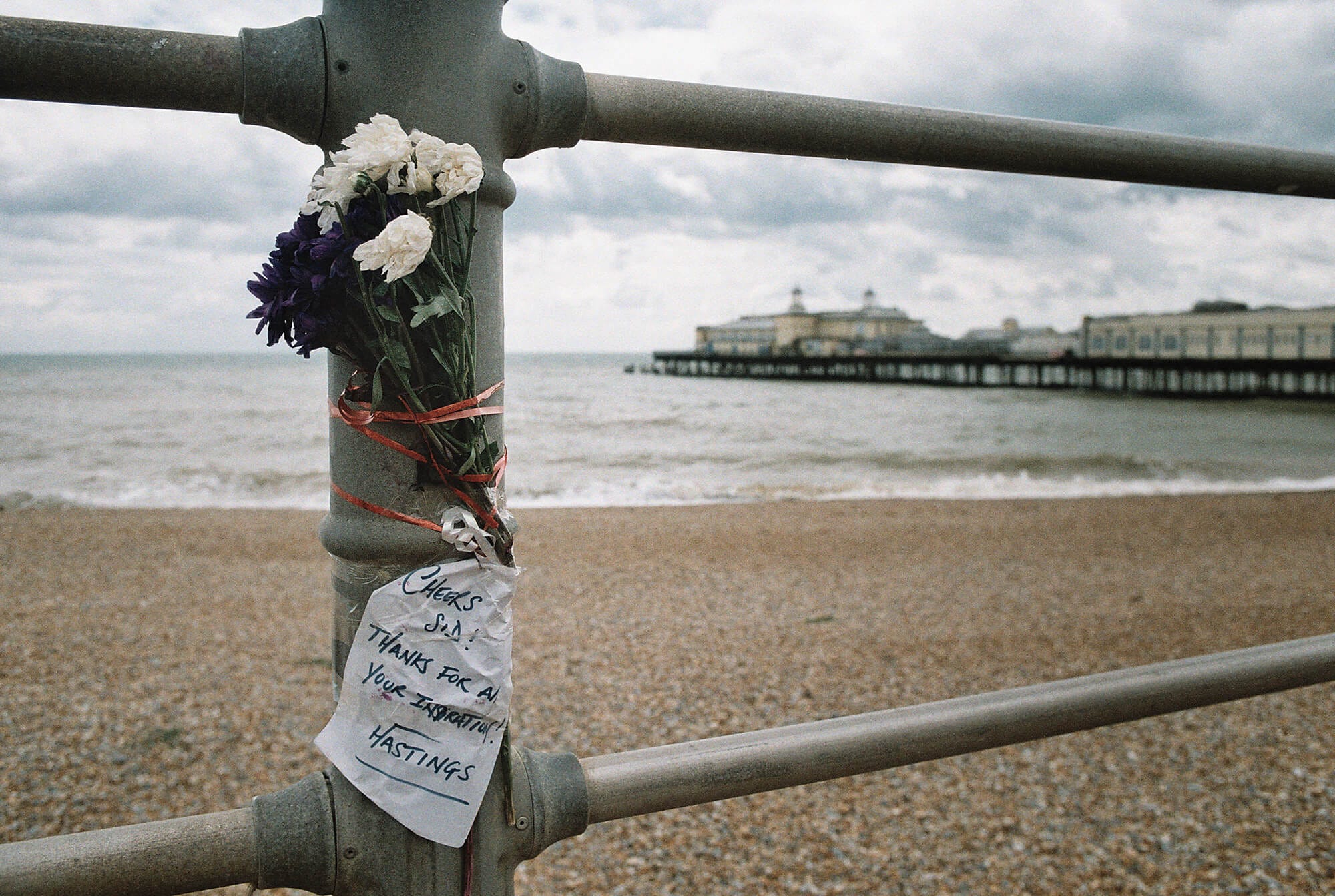
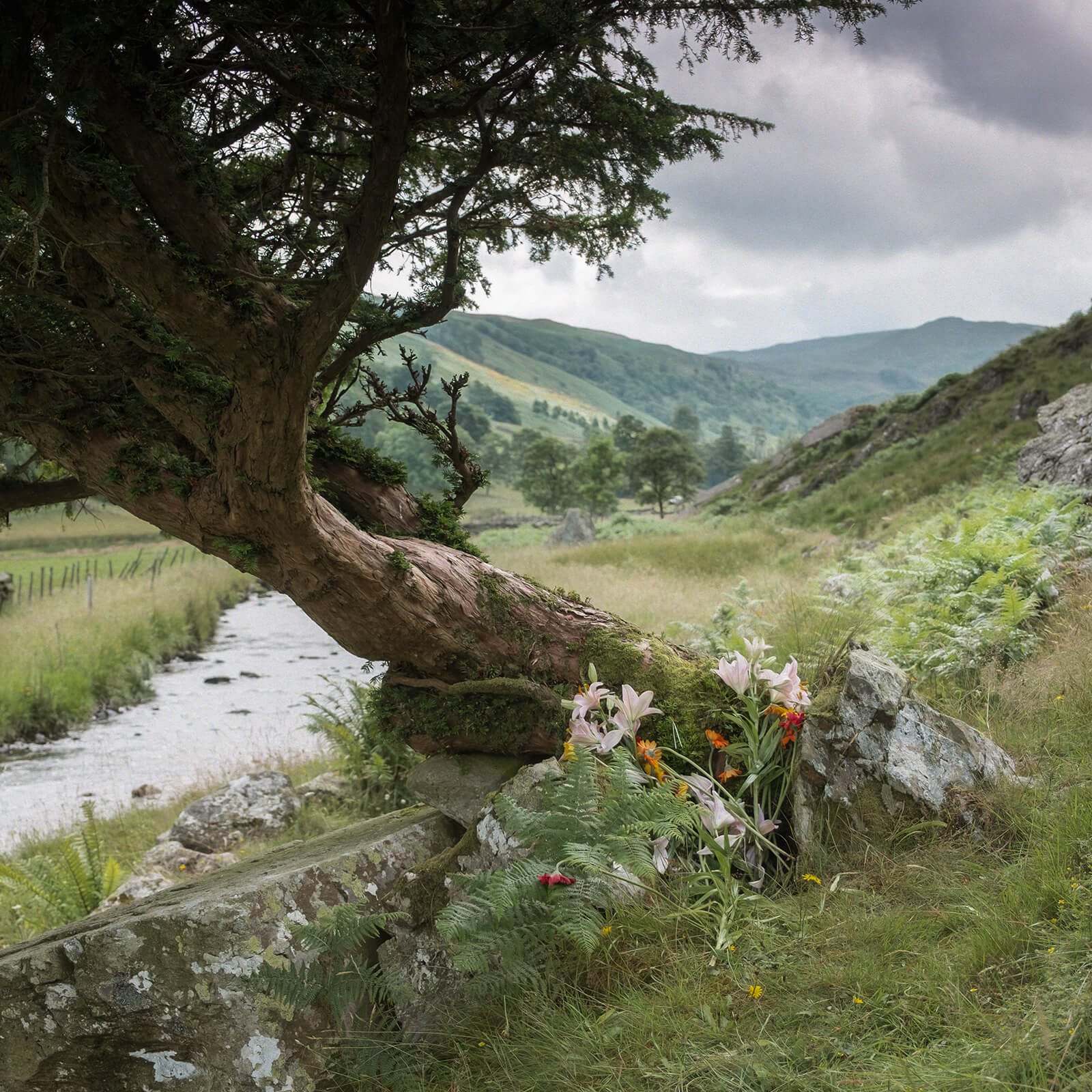
Yet there’s another subject that I feel just as compelled to photograph...Memorials. Whenever I see one, I have to stop to read the words and the tokens that are left as part of the tribute. I wonder what their lives were like and how they meant so much to the people who created the tribute. I feel a need to photograph them to honour them as well.
Memorials are a personal and collective way of sharing, or demonstrating our depth of feeling. Who can forget the images that flashed across our screens back in August 1997 following the death of Diana, Princess of Wales. I remember vividly the newspaper images as the subsequent outpouring of grief led to millions of floral tributes laid outside Kensington Palace1. Images of the collective grief of not just the UK but worldwide are imprinted on my memory as her funeral cortege travelled through the streets of London, the service at Westminster and then her journey along the M1 to her final resting place. I was one of two and a half billion people who watched, wanting to pay tribute to her life and at the same time crying for the losses felt by our collective consciousness.
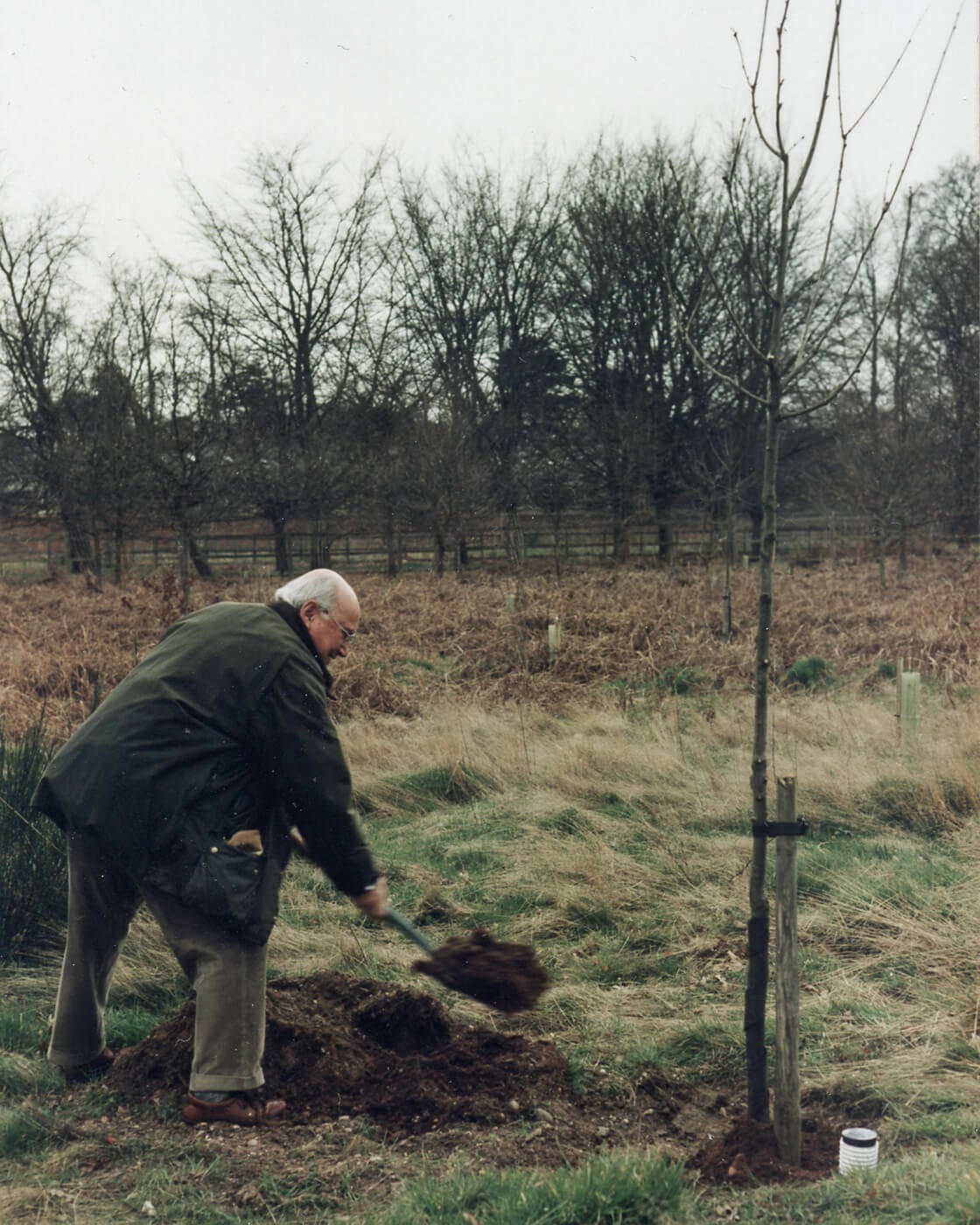
So, what’s sparked this train of thought I hear you ask? Well, over the past few weeks I’ve been going through all of my archive, digital and film, reorganising files and running new backups on external drives. As I went through my printed film photos I unexpectedly came across an image I’d completely forgotten about – one that took me back to a grey day in Richmond Park in 1999. It’s not a technically good photo in any way, yet I can remember making that hurried image, filled with emotion, knowing that I urgently needed to capture the moment so that it would be with me in years to come.
The image is of my dad planting a tree as a memorial to my mum, who had died the previous year. It’s not the sort of snap you’d usually take but seeing it again brought back to me all the emotions of that time and the importance I’d placed on having somewhere to scatter mum’s ashes, so that we could visit to honour her life and remember her whenever we wanted.
She died after a short illness in 1998, just seven months after Diana. I was in my thirties, at a time when I was already facing major changes in my life. The emotional impact of losing her was devastating. We’d had a complicated, at times estranged relationship but in the year before she died, the coldness between us had thawed considerably and we’d started to develop a relationship once more.
After her funeral, dad decided to temporarily bury the urn with her ashes in the garden near her favourite rose. I think he was in denial…after 58 years of marriage it wasn’t surprising. But after a few months I started dropping hints that we needed a permanent way of remembering mum, maybe something at a place that meant something to both mum and dad.
Richmond Park was where they did much of their courting during WW2, as dad was based at Kingston Barracks. It seemed the ideal place to scatter her ashes and so an oak sapling was chosen to be planted in her memory there. It lifted dad’s spirits to know that her ashes could be scattered somewhere so meaningful to them both and that he could visit to just be with her. The day of the planting, I dug up the urn from dad’s garden and after planting the tree, we scattered mum’s ashes. We made many trips there together in the years that followed.
After dad’s death eight years later, his ashes were also scattered at the tree, in a far less ceremonial manner. Despite the whole family being there, my brother, worried more about what other people thought rather than the feelings of those present, chose to take the urn and just, well, ‘dumped’ dad’s ashes by the tree. There were no words spoken, no silent moment held in remembrance, he just turned and walked back towards the parking area with everyone else slowly following, many looking on in a state of disbelief, yet saying nothing.
I can remember the absolute shock of that moment, the coldness of it all and how upsetting it had been. It felt like a repeat of the loss I’d already suffered. It stayed with me throughout that night. The next day, Deborah and I returned to the tree alone and gathered dad’s ashes, this time holding a small ceremony to honour him before re-scattering them with love.
The memory of that day has haunted me ever since, imprinting on me the importance of honouring loved ones.
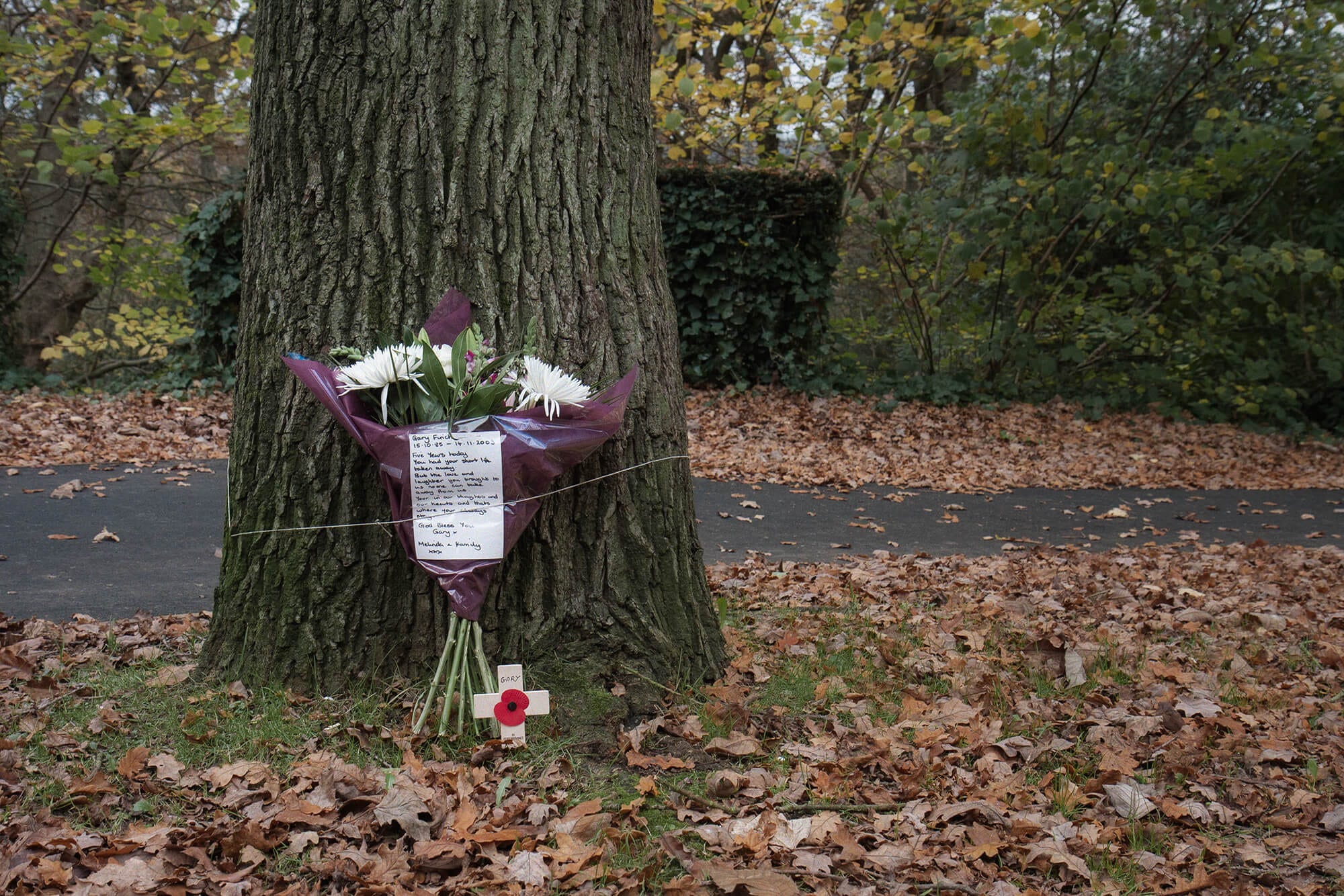
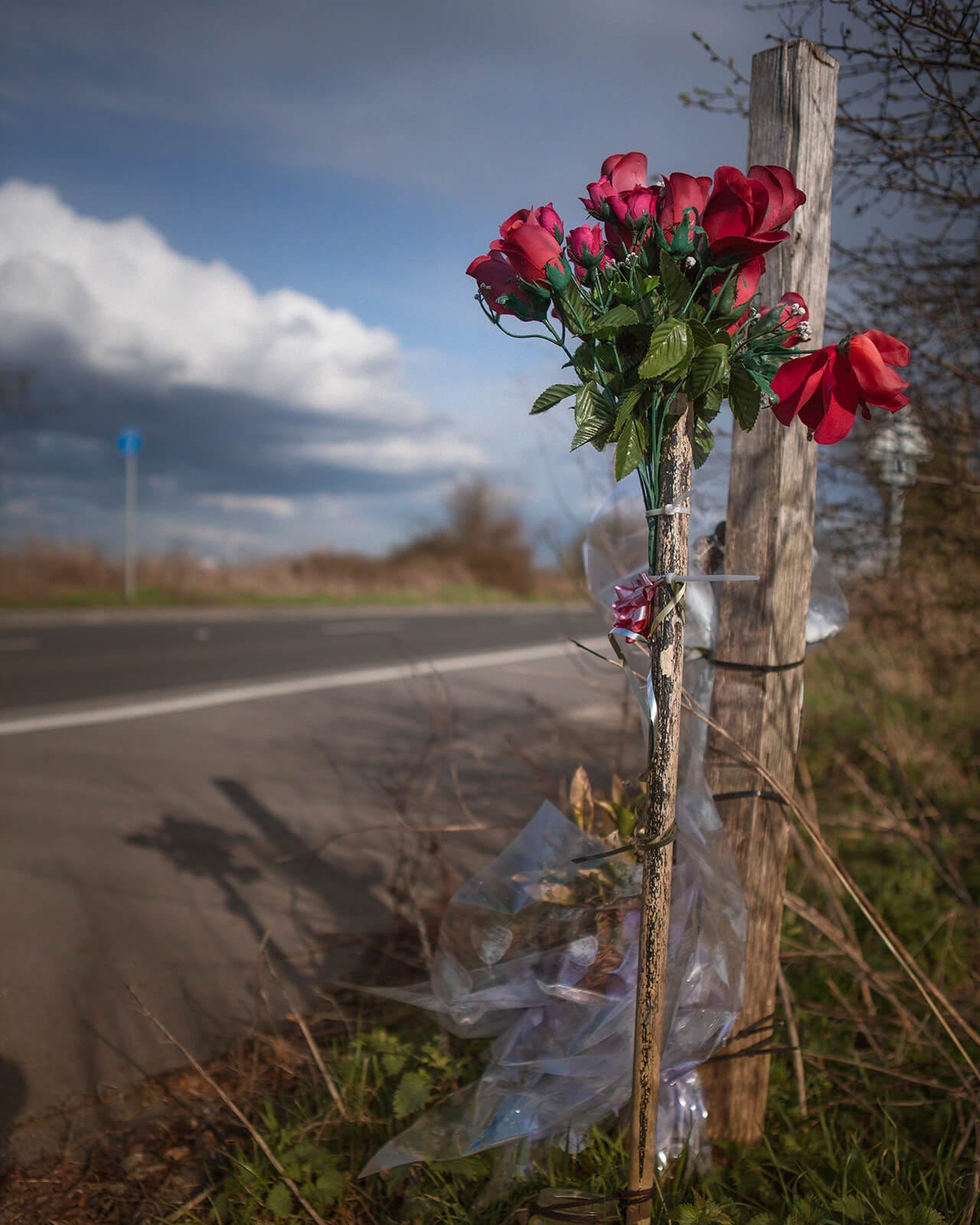
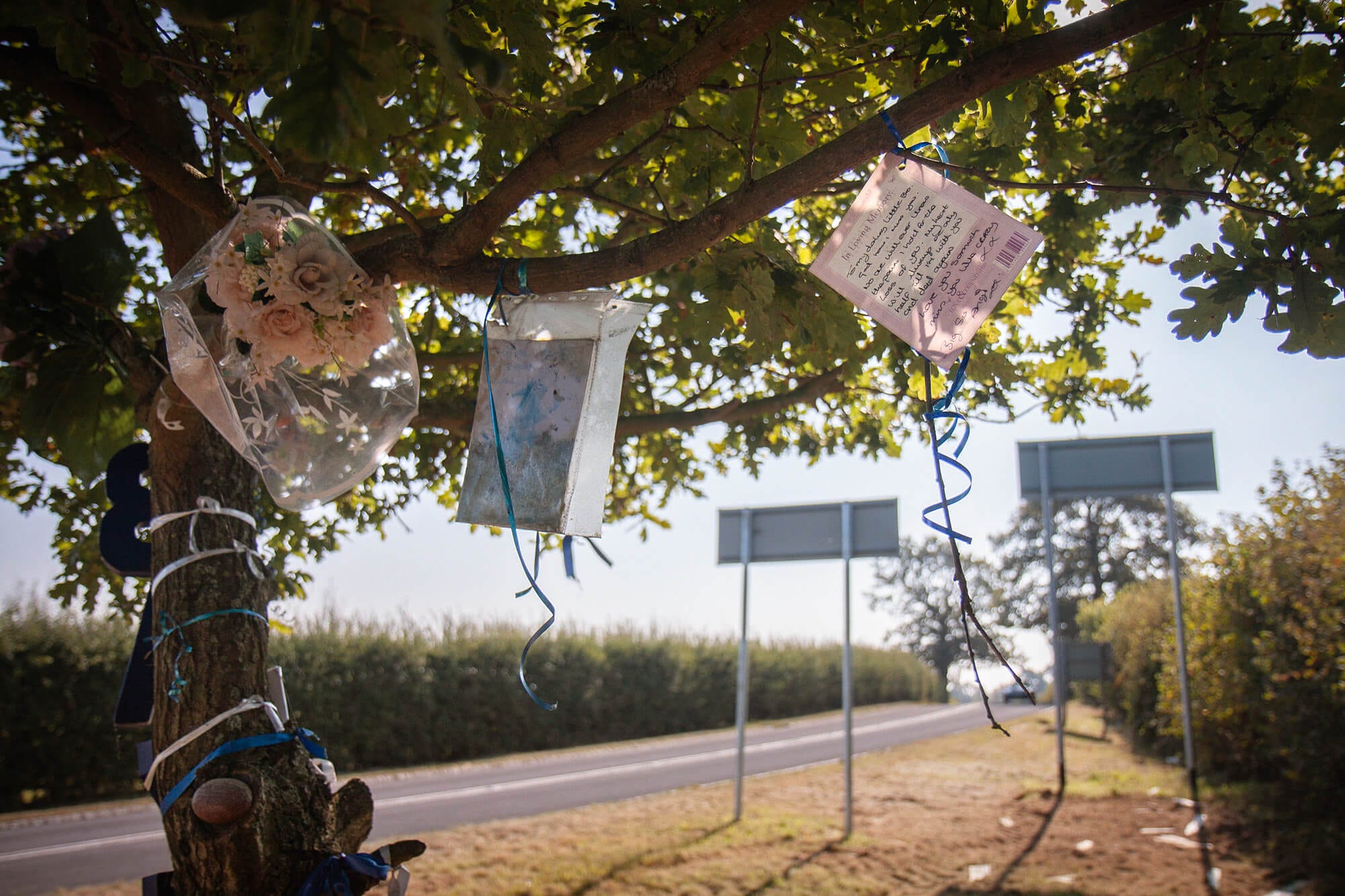
And so, it’s only when I saw this image once more last week and felt that familiar emotional reaction, that I realised how our tree memorial, and the story behind it, has impacted me and my photography. I see my own sense of loss and need for a tribute to mum and dad repeated every time I go for a seafront or park walk. In benches along the promenade with beautiful words engraved on plaques, to flowers left with letters or cards tied to railings or trees. Each one laid with love and the intense need to show the depth of feelings for the person they’ve lost. Each one prompting me to make an image.
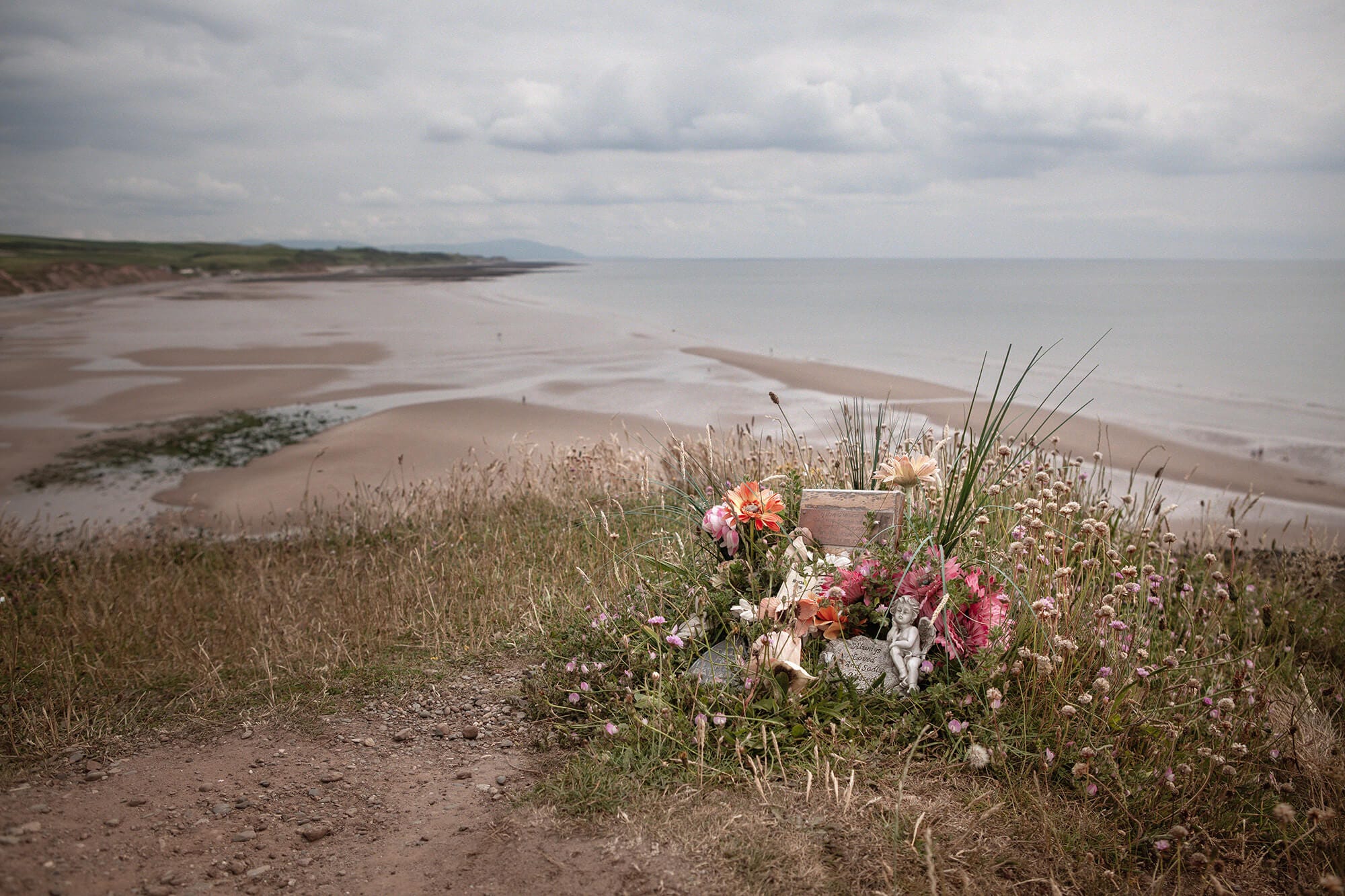
I’m sharing images of some of those memorials I’ve encountered over the years here today as a simple tribute to the people they honour – individuals mostly unknown to me, yet that collective grief triggered by the symbolism of their memorial still comes back every time, as does the feeling of making that first image.
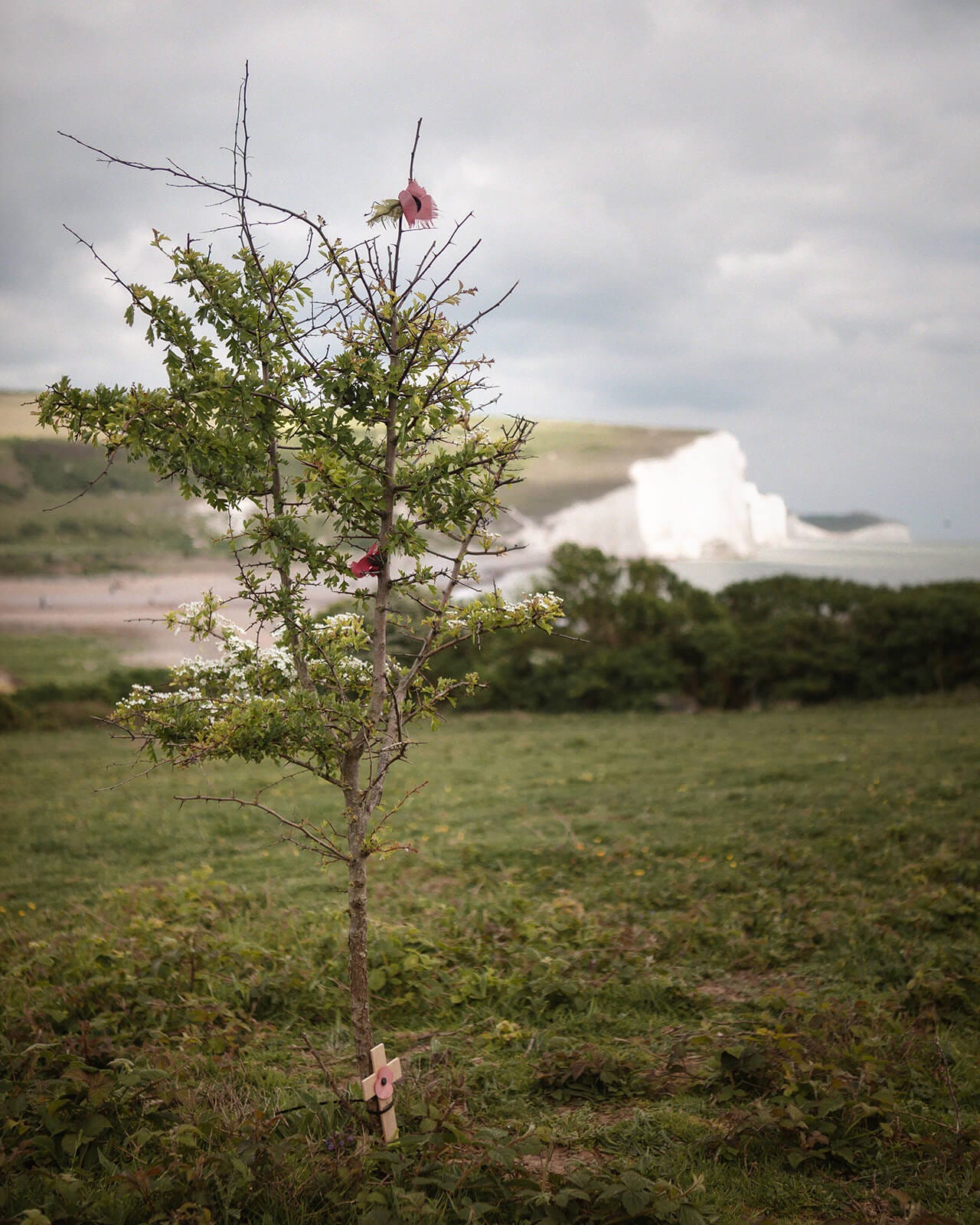
As for my own family memorial - I’ve continued to visit mum and dad’s tree and it’s thrived, but my visits have become less frequent as I’ve aged. Now I realise I haven’t been back for nearly three years, something I intend to put right this year, just to say hello, to say I miss you and that you are honoured. Oh…and I’ll be making an image too!
1 There were five million bouquets and sixty million flowers weighing 10-15,000 tonnes according to reports and the Guinness Book of Records.
Before finishing I wanted to mention two essays I’ve recently read, from photographers in this amazing community, that resonated with some of my thoughts behind this piece. That photographs which matter the most are often those based on feeling, connection and meaning rather than perfection and beauty alone. The essays are by Juliette Mansour on Feeling a photo and Birgitte Bronsted on What kind of photos does it make sense to make today? Both well worth a read if you haven’t already come across them.
I’ll leave it there for now. Until the next time, thank you so much for joining me on my journey and for reading my posts, I truly appreciate your feedback and support.
Oh Lin, I have just come back from Denmark where I finally found the strength to scatter Ben’s ashes into the sea. It was a moving moment for me. Imagining that someone like your brother would have been there with me, would have left a deep scar on me. I am glad you and Deborah went back the next day.
You have shared some of the memorial photos before and I would the project from the minute I saw it. I hope you will make a book one day, because I want one. And the one of your dad would make the perfect opener.
Thank you for sharing!
Hi Lin,
Oh my gosh; this beautiful photo essay brought me to tears. Your taking photos of memorials is such a beautiful way to honor and bear witness to the dead. The images are so compelling, as is your writing.
I'm sorry about the loss of your mom and dad. So heartbreaking. I love the idea of your mom's and dad's ashes spread at the tree. You write with such love and honor the dead with such grace and beauty. I got lost in your photos of memorials, as well as your beautiful words.
I am so glad that the day after your brother poured your dad's ashes out, you and Deborah went the next day to your dad's ashes to spread them and honor the person he was. I try not to be a judgemental person, and I don't know your brother or the family dynamic, but I can see how his action hurt you. And perhaps he was in denial or was filled with another kind of emotion. I don't know.
This is a poignant, beautiful piece, Lin, and it deserves to be widely read. Sending you love and hugs. ❤